 Skip to content



1. Industry Background and Monitoring Challenges
Rail transit and transportation infrastructure—such as metro systems, high-speed railways, urban rail lines, airports, tunnels, and highway facilities—are critical public systems that require continuous, safe, and reliable operation. These facilities operate around the clock and involve a large number of power distribution rooms, equipment rooms, control centers, and outdoor installations, many of which are geographically dispersed and partially unmanned.
Any power failure, environmental anomaly, or equipment malfunction may result in service interruptions, safety risks, or significant economic losses. Therefore, implementing a Power & Environment Monitoring System (PEMS) is essential for achieving centralized supervision, early fault detection, and intelligent operation and maintenance in the transportation sector.
2. Typical Application Scenarios
2.1 Metro, Light Rail, and Urban Rail Systems
In metro and urban rail systems, power and environment monitoring systems are widely deployed in:
Traction substations
Station power distribution rooms
Signaling and communication equipment rooms
Control centers and OCC rooms
Monitoring Scope Includes:
AC and DC power supply systems
Switchgear, transformers, and UPS status
Electrical parameters (voltage, current, power, energy)
Equipment room temperature and humidity
Water leakage, smoke detection, and access control
2.2 High-Speed Rail and Railway Infrastructure
Railway systems cover long distances and include numerous substations and technical rooms along the line.
Key Monitoring Objects:
Railway substations and distribution cabinets
Backup power systems and batteries
Environmental conditions in outdoor and indoor equipment rooms
Security and intrusion alarms
2.3 Highway, Tunnel, and Bridge Facilities
Power & environment monitoring systems are also widely used in:
Highway tunnels
Toll stations
Traffic control centers
Bridge monitoring rooms
Monitoring Focus:
Power supply for lighting, ventilation, and emergency systems
Environmental conditions in tunnels and control rooms
Equipment status for fans, lighting, and control cabinets
2.4 Airports and Large Transportation Hubs
In airports and large transportation hubs, uninterrupted power and stable environments are critical for safety and passenger services.
Typical Monitoring Targets:
Terminal power distribution rooms
Control and dispatch centers
Emergency power systems and generators
Environmental and security monitoring
3. System Functions and Monitoring Content
3.1 Power System Monitoring
Real-time monitoring of utility power, UPS, and backup power systems
Electrical parameter measurement and trend analysis
Alarms for power loss, overload, and abnormal operating conditions
3.2 Environmental Monitoring
Temperature and humidity monitoring in equipment rooms
Water leakage detection in underground and tunnel environments
Smoke and fire detection for early risk prevention
3.3 Security and Safety Monitoring
Access control and door status monitoring
Intrusion detection and alarm linkage
Integration with video surveillance systems
3.4 Centralized Management and Intelligent O&M
Centralized monitoring of multiple stations and facilities
Real-time alarm notification and event management
Historical data analysis, reports, and maintenance support
4. Benefits for Rail Transit and Transportation Infrastructure
4.1 Enhanced Operational Safety
Early detection of power and environmental risks helps prevent major accidents and ensures safe operation of transportation systems.
4.2 Improved Reliability and Service Continuity
Stable power supply and controlled environments reduce unexpected downtime and service disruptions.
4.3 Centralized and Efficient Maintenance
By integrating dispersed facilities into a unified monitoring platform, operators can significantly improve maintenance efficiency and response speed.
4.4 Support for Intelligent Transportation Systems
Power & environment monitoring systems provide a solid foundation for smart rail transit and intelligent transportation infrastructure development.
5. Typical System Architecture
A typical power and environment monitoring system for rail transit and transportation infrastructure adopts a layered architecture:
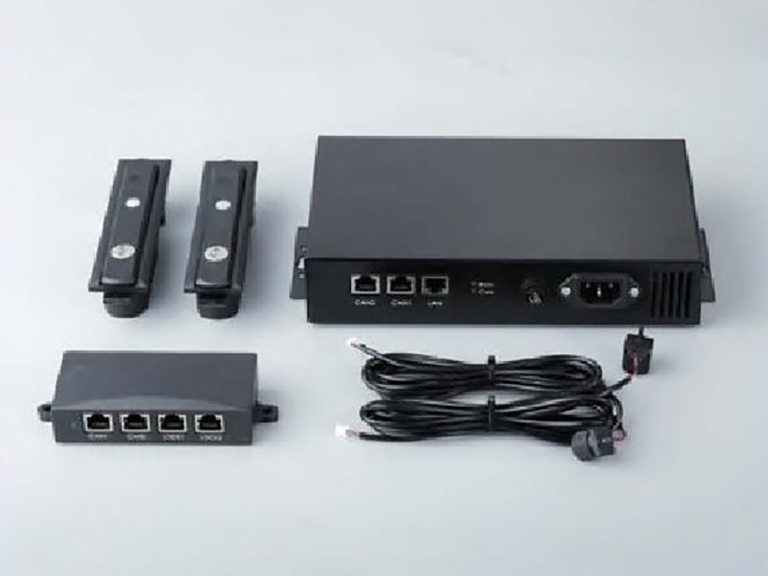
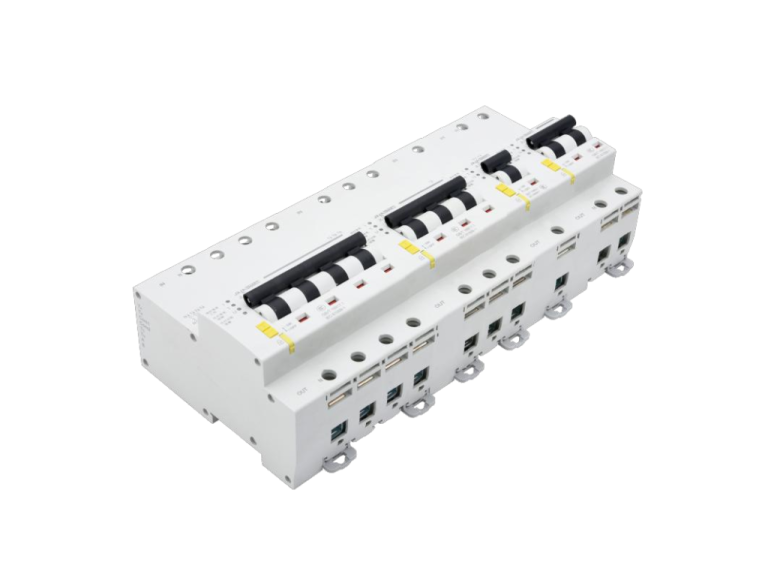
Field Devices: Smart power meters, monitoring modules, temperature and humidity sensors, water leakage sensors, smoke detectors, access control devices
Communication Network: RS485, Ethernet, optical fiber, and wireless communication
Monitoring Platform: Centralized software platform for visualization, alarm management, data analysis, and reporting
6. Conclusion
As rail transit and transportation infrastructure continue to develop toward high capacity, high safety, and intelligent operation, Power & Environment Monitoring Systems play an increasingly important role as a core support system. By providing comprehensive monitoring of power supply, environmental conditions, and equipment status, these systems help transportation operators enhance safety management, improve operational efficiency, and ensure reliable public transportation services.
