 Skip to content



1. Industry Background and Monitoring Requirements
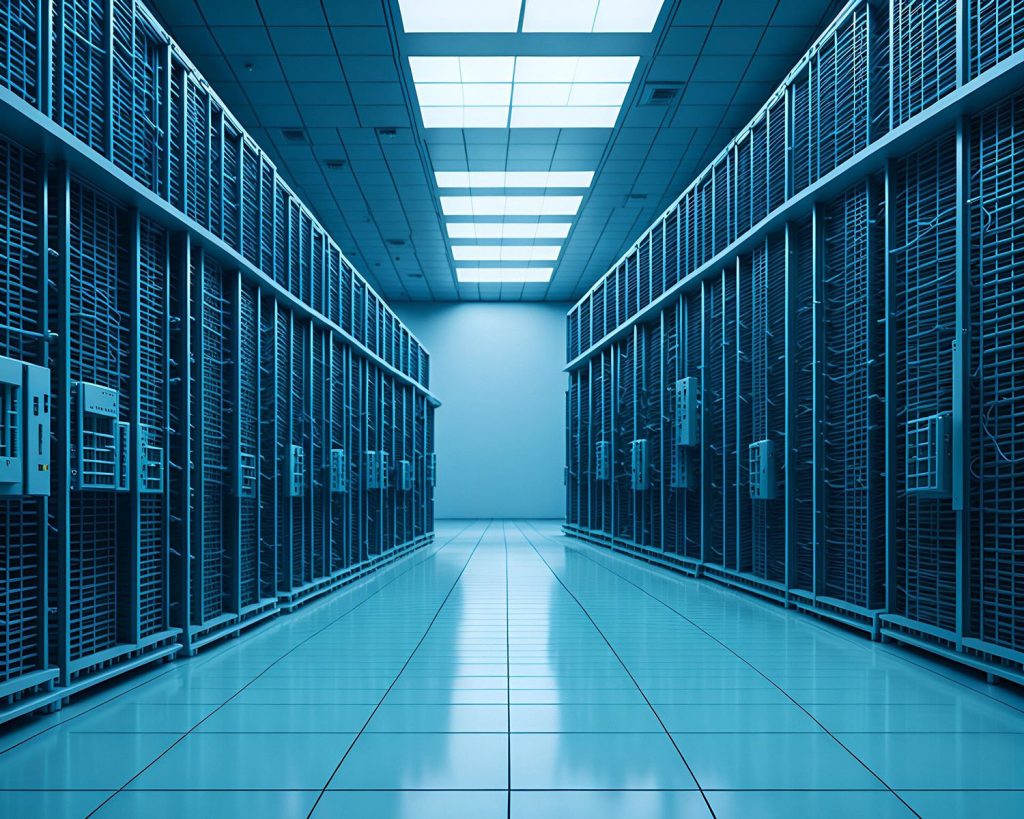
Data centers and server rooms are the core infrastructure of the digital economy, hosting critical IT equipment, cloud services, and enterprise applications. These facilities operate 24/7, and any disruption in power supply or environmental conditions can result in service downtime, data loss, or significant financial and reputational impact.
To ensure continuous, reliable, and secure operation, modern data centers increasingly rely on Power & Environment Monitoring Systems (PEMS), which provide real-time monitoring, early warning, and centralized management of both electrical and environmental conditions.
2. Typical Application Scenarios
2.1 Enterprise Data Centers
Enterprise data centers host servers, storage, and networking equipment for internal operations or customer services.
Monitoring Scope Includes:
UPS, PDUs, and server rack power status
Electrical parameters such as voltage, current, power, and energy consumption
Temperature, humidity, and hot/cold aisle conditions
Water leakage, fire detection, and smoke alarms
Door access, intrusion detection, and environmental safety
2.2 Colocation and Cloud Data Centers
Colocation and cloud data centers provide services to multiple tenants, often operating at large scale with high-density racks.
Key Monitoring Objects:
Multi-tenant power distribution units (PDUs)
Rack-level temperature and humidity sensors
Battery backup and generator status
Fire and water leakage detection
Remote monitoring and multi-site centralized management
2.3 Edge and Micro Data Centers
Edge data centers support latency-sensitive applications and are often distributed and semi-unmanned.
Monitoring Focus:
Local power supply and UPS health
Environmental conditions in small server rooms
Remote alarm and notification systems
Integration with centralized data center management platform
3. System Functions and Monitoring Content
3.1 Power System Monitoring
Real-time monitoring of AC and DC power systems
Electrical parameters: voltage, current, power, energy consumption
UPS, PDU, and generator status monitoring
Alarm for power outages, overloads, and anomalies
3.2 Environmental Monitoring
Temperature and humidity in server racks and rooms
Hot/cold aisle detection
Water leakage and smoke/fire detection
Monitoring of air conditioning and precision cooling systems
3.3 Security and Access Monitoring
Rack and room door access control
Intrusion and physical security alarms
Optional integration with CCTV surveillance
3.4 Centralized Management and Intelligent O&M
Unified monitoring platform for multiple rooms or sites
Real-time alarm notifications via web, SMS, or email
Historical data logging, trend analysis, and energy efficiency reports
Predictive maintenance support for critical IT and electrical equipment
4. Benefits for Data Centers and Server Rooms
4.1 Ensure 24/7 Uptime
Real-time monitoring and automatic alarm notification help prevent unplanned downtime and maintain service continuity.
4.2 Enhance Energy Efficiency
Monitoring power consumption at rack, room, and site levels supports optimized energy management and cost reduction.
4.3 Reduce Operational Costs
Remote monitoring reduces the need for frequent manual inspections, lowering operational expenses.
4.4 Improve Equipment Reliability
Environmental monitoring ensures that IT and electrical equipment operate within safe temperature and humidity ranges, extending equipment lifespan and reducing failure rates.
4.5 Support Intelligent Data Center Operations
Integration with DCIM (Data Center Infrastructure Management) systems enables centralized control, predictive maintenance, and optimized resource utilization.
5. Typical System Architecture
A Power & Environment Monitoring System in a data center typically uses a three-layer architecture:
Field Devices: Smart meters, power monitoring modules, temperature and humidity sensors, leak sensors, smoke detectors, access control units
Communication Network: RS485, Ethernet, fiber optic, and wireless options
Monitoring Platform: Centralized software for visualization, alarm management, data logging, reporting, and analytics
6. Conclusion
As data centers and server rooms evolve toward higher density, larger scale, and intelligent operation, Power & Environment Monitoring Systems become a critical foundation for reliable operation. By providing comprehensive monitoring of power supply, environmental conditions, and security, these systems help data center operators ensure uptime, optimize energy usage, and improve operational efficiency, ultimately supporting stable and secure IT service delivery.
