


1. Industry Background and Monitoring Requirements
The power and energy industry—including power generation, transmission, distribution, and emerging energy systems such as photovoltaic, wind power, and energy storage—is the backbone of modern infrastructure. These systems operate continuously and are required to maintain high reliability, safety, and efficiency.
Power facilities are often distributed across wide geographic areas and operate in complex environments, including substations, distribution rooms, outdoor power stations, and unmanned sites. Any power anomaly, environmental issue, or equipment failure can lead to power outages, safety hazards, or significant economic losses. As a result, Power & Environment Monitoring Systems (PEMS) have become an essential tool for ensuring stable operation and intelligent management in the power and energy sector.
2. Typical Application Scenarios
2.1 Substations and Power Distribution Rooms
Power & environment monitoring systems are widely deployed in:
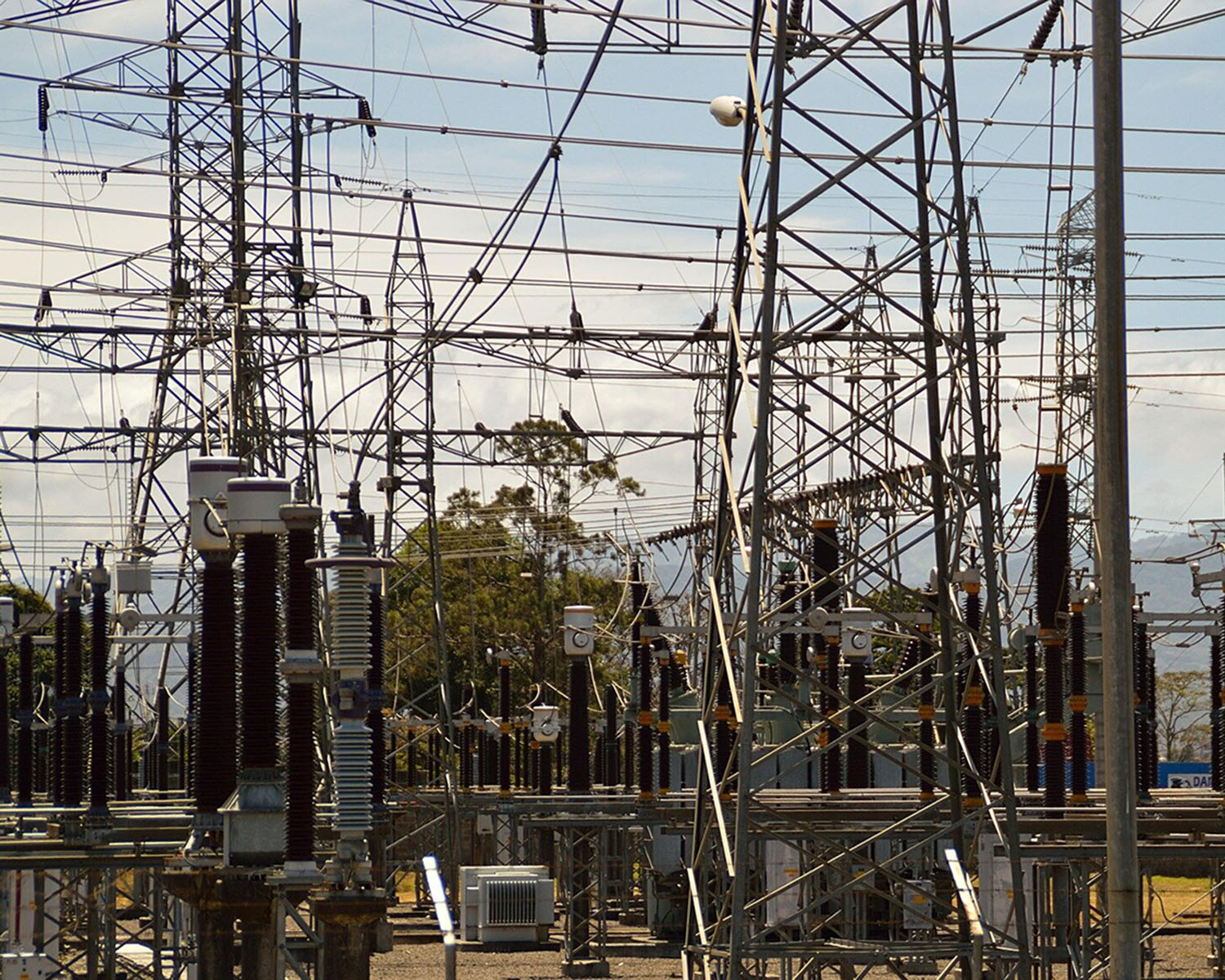
High-voltage and medium-voltage substations
Distribution substations and switch rooms
Transformer rooms and cable galleries
Monitoring Scope Includes:
Switchgear, transformers, and circuit breakers
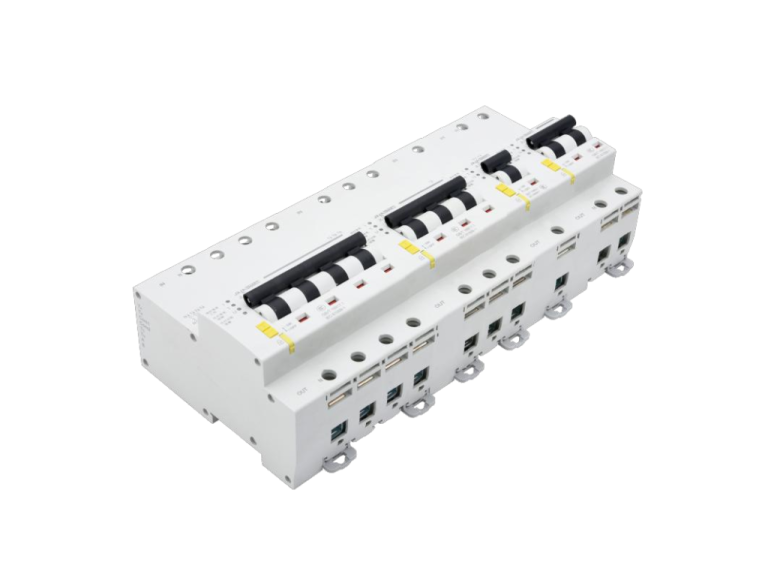
Electrical parameters such as voltage, current, power, and energy
Equipment temperature and operating status
Environmental conditions including temperature, humidity, smoke, and water leakage
2.2 Power Generation Facilities
In power plants—thermal, hydro, or renewable—monitoring systems are used to ensure safe and stable operation.
Typical Monitoring Targets:
Auxiliary power systems
UPS and emergency power supplies
Control rooms and equipment rooms
Environmental and safety monitoring
2.3 Renewable Energy Systems
With the rapid development of renewable energy, power & environment monitoring systems play an increasingly important role in:
Photovoltaic (PV) power stations
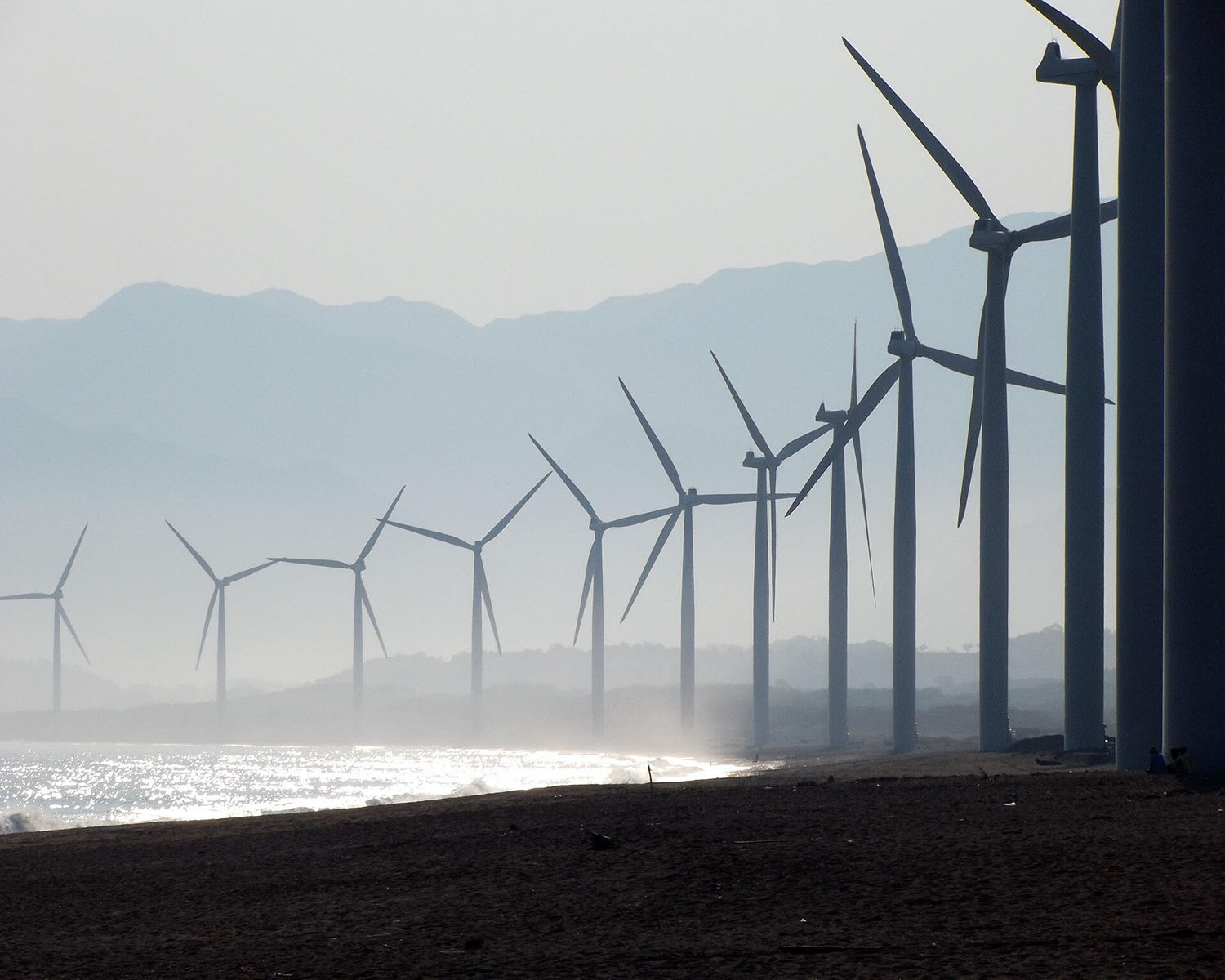
Wind farms
Energy storage systems (ESS)
Monitoring Focus:
Inverter and combiner box power parameters
Energy storage system power and battery status
Environmental conditions in outdoor cabinets and containers
Fire, smoke, and thermal risk detection
2.4 Intelligent Distribution and Microgrids
In smart grids and microgrid systems, monitoring systems support:
Distributed power sources
Energy management and load optimization
Power quality monitoring
Remote operation and maintenance
3. System Functions and Monitoring Content
3.1 Power System Monitoring
Real-time monitoring of AC and DC power systems
Electrical parameter acquisition and trend analysis
Power loss, overload, and abnormal condition alarms
3.2 Environmental Monitoring
Temperature and humidity monitoring
Water leakage detection in underground or cable areas
Smoke and fire detection for early risk warning
3.3 Equipment Status and Safety Monitoring
Switch status and fault indication
Battery monitoring and backup power supervision
Security and access control monitoring
3.4 Centralized Management and Intelligent O&M
Centralized monitoring of multiple power sites
Real-time alarm management and event tracking
Historical data analysis, reports, and predictive maintenance support
4. Benefits for the Power and Energy Industry
4.1 Improved Power Supply Reliability
Early detection of power and environmental abnormalities reduces the risk of outages and ensures stable power delivery.
4.2 Enhanced Safety Management
Continuous monitoring helps prevent fire, overheating, flooding, and electrical faults, improving overall safety levels.
4.3 Support for Unmanned and Remote Operation
Monitoring systems enable remote supervision of substations, renewable plants, and energy storage sites, reducing labor costs.
4.4 Foundation for Smart Energy Systems
Power & environment monitoring systems provide essential data support for smart grids, digital substations, and energy management platforms.
5. Typical System Architecture
A typical power & environment monitoring system in the power and energy industry adopts a layered architecture:
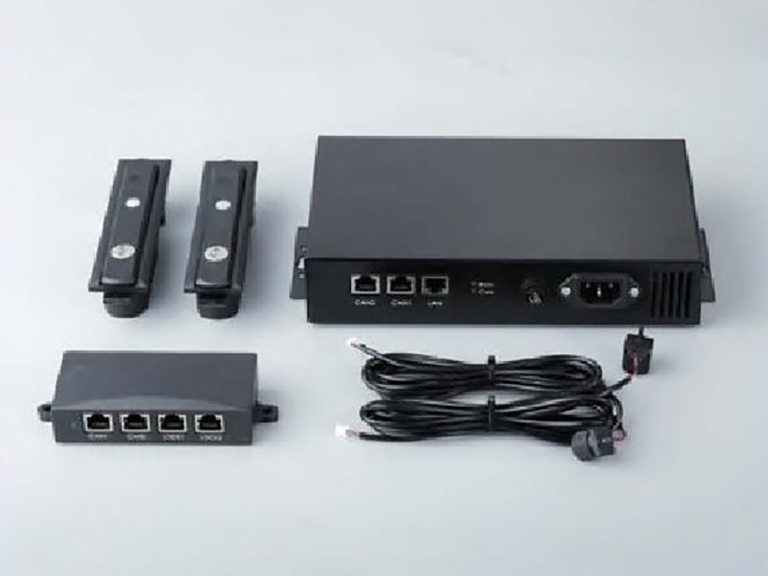
Field Devices: Smart power meters, monitoring modules, sensors (temperature, humidity, water leakage, smoke), battery monitoring units
Communication Network: RS485, Ethernet, optical fiber, and wireless communication
Monitoring Platform: Centralized software platform for visualization, alarm management, data analysis, and reporting
6. Conclusion
As the power and energy industry continues to evolve toward digitalization, intelligence, and low-carbon development, Power & Environment Monitoring Systems play a critical role as a core operational support system. By providing comprehensive monitoring of power supply, environmental conditions, and equipment status, these systems help power and energy operators improve safety, enhance reliability, and support the sustainable development of modern energy systems.