



1. Growing Demand for Power and Environment Monitoring in Telecommunications
With the rapid development of 5G, IoT, and cloud-based services, telecommunications networks are expanding at an unprecedented scale. A large number of base stations, access sites, aggregation rooms, and core communication rooms are widely distributed and often operate in unmanned or semi-unmanned environments.
Telecommunications equipment is highly sensitive to power interruptions, voltage fluctuations, temperature changes, and environmental risks. Any failure in the power supply or operating environment may lead to service degradation or large-scale communication outages. As a result, Power and Environment Monitoring Systems (PEMS) have become an essential infrastructure for ensuring the safe, stable, and continuous operation of telecom networks.
2. Typical Application Scenarios
2.1 Communication Base Stations
Telecom base stations are usually located in outdoor or remote areas and rely heavily on remote monitoring and centralized management.
Monitoring Scope Includes:
Utility power status (power loss / power restoration)
DC power systems and rectifiers
Battery voltage, current, capacity, and health status
Cabinet temperature and humidity
Door access, intrusion detection, and smoke alarms
2.2 Core and Aggregation Communication Rooms
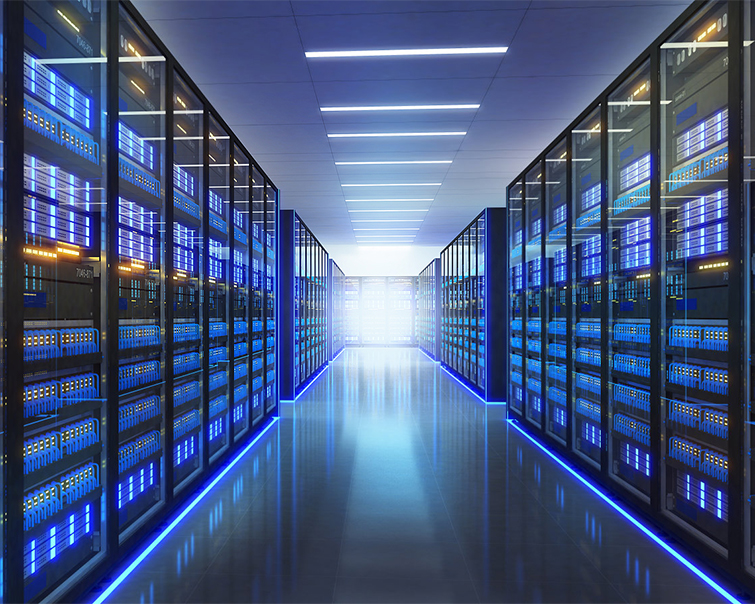
Core and aggregation rooms serve as critical nodes in the telecommunications network, hosting switching, transmission, and data processing equipment.
Key Monitoring Items:
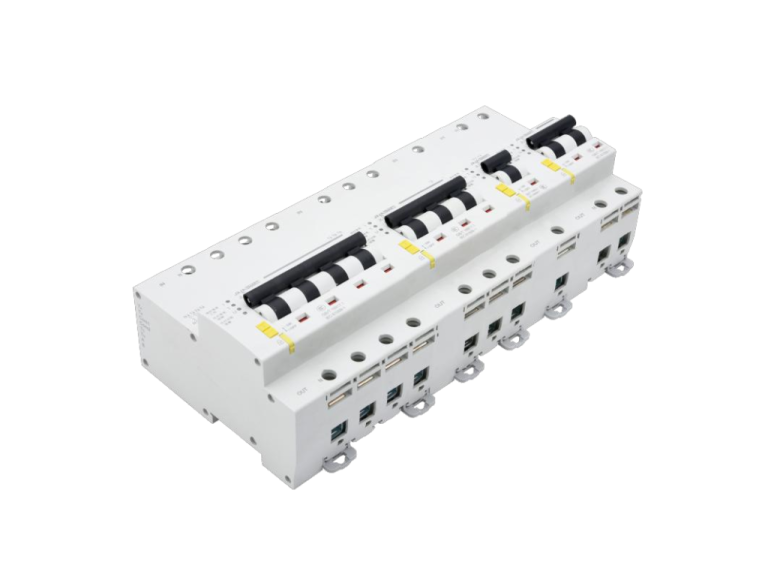
UPS systems and power distribution units
Electrical parameters such as voltage, current, power, and energy
Precision air conditioners
Temperature, humidity, water leakage, and smoke detection
Generator and backup power systems
3. System Functions and Monitoring Content
3.1 Power System Monitoring
Real-time monitoring of AC, DC, and UPS power systems
Electrical parameter acquisition (voltage, current, power, energy)
Instant alarms for power failures, overloads, and abnormal conditions
3.2 Environmental Monitoring
Temperature and humidity monitoring to prevent equipment overheating
Water leakage detection to avoid flooding accidents
Smoke detection for early fire warning
3.3 Centralized Management and Remote O&M
Centralized monitoring of multiple distributed sites
Real-time alarm notifications via platform, SMS, or email
Historical data storage, trend analysis, and report generation
4. Value and Benefits for Telecommunications Operators
4.1 Unmanned Site Operation
By enabling real-time monitoring and automatic alarm handling, the system significantly reduces the need for on-site inspections and manual maintenance.
4.2 Improved Network Reliability
Potential power and environmental risks can be detected early, minimizing service interruptions and ensuring network continuity.
4.3 Centralized and Scalable Operations
The system allows operators to manage thousands of geographically dispersed sites through a unified monitoring platform, supporting large-scale network deployment.
4.4 Extended Equipment Lifespan
Stable power supply and controlled environmental conditions help reduce equipment aging and failure rates, extending the service life of telecom equipment.
5. Typical System Architecture
A Power and Environment Monitoring System for telecommunications typically adopts a three-layer architecture:
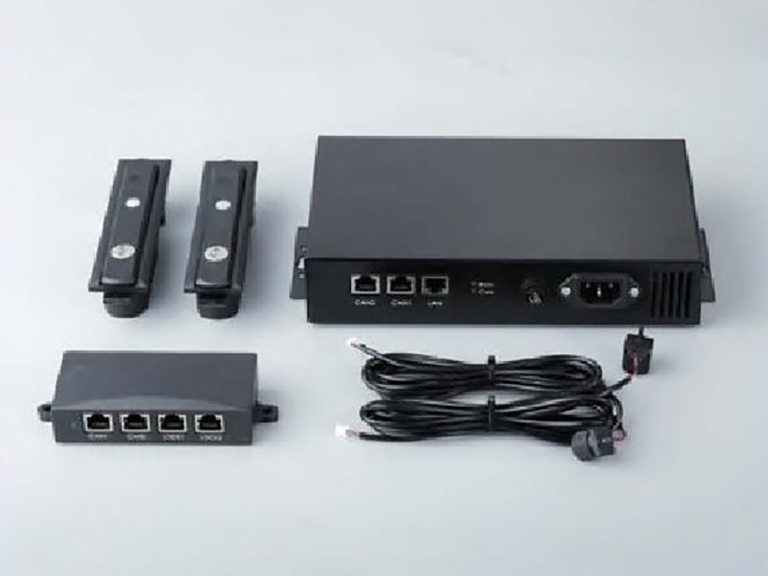
Front-end Devices: Smart meters, DC monitoring modules, temperature and humidity sensors, water leakage sensors, smoke detectors, and access control devices
Communication Network: RS485, Ethernet, optical fiber, 4G/5G wireless communication
Monitoring Platform: Centralized software platform for data visualization, alarm management, analysis, and reporting
6.Conclusion
As telecommunications networks continue to evolve toward large-scale, intelligent, and unmanned operation, Power and Environment Monitoring Systems have become a fundamental safeguard for communication base stations and equipment rooms. By providing comprehensive monitoring of power supply and environmental conditions, these systems help telecom operators improve operational reliability, reduce maintenance costs, and ensure high-quality communication services.